


Every briefing, guide, case note and commentary
9 publications
Latest
Guide No. 6
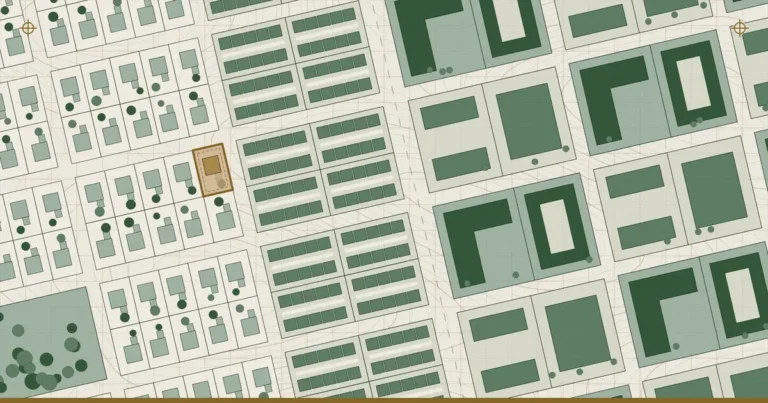
Residential Zoning in Johannesburg: Residential 1 to 4 Explained
What Johannesburg’s land use scheme allows in Residential 1, 2, 3 and 4: the uses permitted, the uses that need the City’s consent, and the limits on dwellings, coverage, floor area, height, building lines and parking.
- 10 min read
Briefing 3
The National Building Regulations Amendment Bill, 2026: What It Proposes
A draft Bill would change the grounds on which municipalities refuse building plans, send appeals to each municipality, set up a Coordinating Committee for the built environment and raise penalties. It is not law yet.
- Law stated as at
- 7 min read
Guide No. 5
Second Dwellings in Johannesburg: Granny Flats and Cottages
What Johannesburg's land use scheme allows for granny flats and cottages on a Residential 1 erf: how many, how big, when consent is needed, and what can stop one.
- 13 min read
Guide No. 4
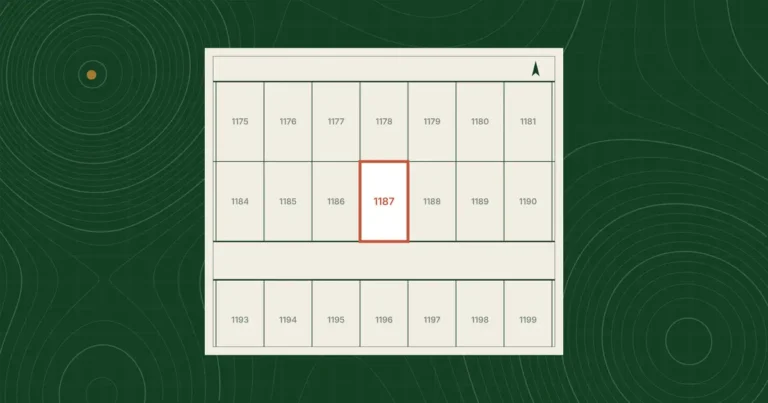
Erf Numbers in South Africa: How to Find, Read and Use Yours
What an erf number is, where to find yours, how to read the property description around it and the 21-digit SG code, and what the number is used for, from title deeds to zoning and building plans.
- 24 min read
PDF of Erf Numbers in South Africa: How to Find, Read and Use Yours
Briefing 2026/02
The Johannesburg Land Use Scheme: What Changed and What Applies Now
Since 1 July 2026, land in Johannesburg has been governed by the City of Johannesburg Land Use Scheme, 2018, as amended 2025.
- Law stated as at
- 21 min read
Briefing 2026/01
The Johannesburg Municipal Planning By-law: What Changed and What Applies Now
Since 3 April 2024, new land development applications have been made under the City of Johannesburg Municipal Planning By-law, 2016, as amended in 2023. What the amendments changed, who they affect, and what the text leaves unresolved.
- Law stated as at
- 14 min read
Guide No. 3
Student Accommodation Zoning in South Africa: A Landlord's Guide
What approval you need before you let a house, flat or building to students, how the rules differ in four cities, and why NSFAS accreditation is a separate question.
- Updated
- 21 min read
Guide No. 2
Best Town Planners in Johannesburg: How to Choose the Right One
What to check, what to ask and what to avoid before appointing a town planner in Johannesburg, with the law and the City’s own procedures as the yardstick.
- Updated
- 16 min read
Guide No. 1
Rezoning in South Africa: A Practical Guide
How rezoning works under SPLUMA and municipal by-laws: the process, realistic timeframes, costs, objections and appeals, with Johannesburg worked in detail.
- Updated
- 31 min read




Try another word, or fewer filters.
Looking for something we have not published? Speak to a Planner about your property.
The full list cannot be shown just now. Browse the Briefings and the Guides instead.