


REAL CORP 2027: Freedom of Planning – Solidarity in Action
- When
- Mon 5 – Wed 7 April 202709:00 each day, Warsaw time (UTC+2)
- Where
- Kunszt WodnyTarg Rakowy 11, Gdańsk, Poland
- Fee
- € 525 standard, registered and paid by 31 december 2026€ 650 standard, from 1 january 2027, € 325 student up to 27, registered and paid by 31 december 2026, as the organiser states
Checked against the organiser’s own page on 21 October 2026 by the Institute’s events editor. The next checks are on 22 March and 3 April, 14 and 2 days before the event. Where this page and the organiser’s differ, the organiser’s page governs.
Listed by the Glensburg Cities Institute, which does not run this event. A listing is not an endorsement of the organiser, the speakers or the event.
About this conference
REAL CORP 2027 is the 32nd edition of the international conference on urban planning and regional development in the information society, held every year since 1996 by CORP – Competence Center of Urban and Regional Planning, a non-profit association based in Austria. The 2027 conference runs from 5 to 7 April at Kunszt Wodny in Gdańsk, Poland, in cooperation with the City of Gdańsk and Gdańsk University of Technology, with an informal welcome on Sunday 4 April.
The theme, Freedom of Planning – Solidarity in Action, carries the subtitle Driving Urban Innovation, Resilience, and Housing Equity. The organiser asks how planning should respond to the climate crisis and the fast spread of artificial intelligence, and holds that technology should serve participation, wellbeing and spatial justice rather than become an end in itself, a position it calls digital humanism. The edition also marks thirty years of the series. It is aimed at planners, regional developers, architects, engineers, economists, sociologists and researchers, from practice and the academy alike.
Four tracks
- Track 1 – Digital Humanism, Urban AI, Next-Gen Geo-Technologies. Machine learning in spatial planning; digital twins, earth observation and GIS for monitoring land use and sprawl; open data and citizen science in participation; visualisation and information systems for regional development.
- Track 2 – Climate Neutrality, Adaptation, Resilient Ecosystems. Adapting urban space to extreme heat, flooding and sea-level rise; decarbonisation, renewable energy and circular urban metabolism; green and blue infrastructure in dense areas.
- Track 3 – Smart Mobility, Walkability, Spatial Justice. The 15-minute city and mixed-use zoning; walking and micro-mobility networks; accessibility planned across whole journeys rather than single buildings.
- Track 4 – Social Cohesion, Housing Equity, Urban Transformation. Urban and economic change in Europe since 1990; affordable housing and zoning that limit displacement and keep a social mix; balance between metropolitan cores and rural peripheries.
Across all four, the organiser asks about the role of planning and related disciplines, digital and technological change, short-term measures and long-range perspectives, and case studies from research and practice.
The programme opens with keynotes on the Monday morning, then runs parallel paper sessions over three days, with evening programmes, excursions and guided expert tours. Sessions are in English or German, held separately, with no interpretation.
Call for papers
Abstracts are due by 15 November 2026 at 23:59 CET, which is 00:59 on 16 November in South Africa. They go through the organiser’s portal, MY.CORP, only, on the organiser’s template, in English or German, and run to one A4 page.
| Route | What it is | Length |
|---|---|---|
| Reviewed paper | Two-step double-blind peer review: the abstract, then the full paper | Up to 12 pages |
| Non-reviewed paper | Practice and project reports, accepted by the programme committee | Up to 6 pages |
| Voices of Practice | Contributions from cities, counties and other public bodies | No paper |
Every accepted paper is published in the REAL CORP 2027 proceedings with an ISBN, ISSN and DOI. Each registration includes one presentation of 15 to 20 minutes.
Key dates
| Date | What falls due |
|---|---|
| 15 November 2026 | Abstracts close, 23:59 CET |
| 30 November 2026 | Acceptance decisions |
| 23 December 2026 | Full papers for review (reviewed route) |
| 31 December 2026 | Lower fees end: registration and payment both complete |
| 24 January 2027 | Review closes |
| 31 January 2027 | Final papers (non-reviewed route) |
| 28 February 2027 | Final papers (reviewed route) |
| 4 April 2027 | Informal welcome |
| 5–7 April 2027 | Conference |
Why it matters for practice
The four tracks line up with the development principles in section 7 of the Spatial Planning and Land Use Management Act 16 of 2013 (SPLUMA): spatial justice (Tracks 3 and 4), spatial sustainability and resilience (Track 2), and good administration through participation and open information (Track 1). The sessions on mixed-use zoning and the 15-minute city bear on how South African land use schemes provide for mixed-use rights near public transport. The housing track bears on inclusionary housing requirements, such as those the City of Johannesburg applies to larger residential developments. Municipal planners can present under Voices of Practice without writing a paper; practitioners who need a peer-reviewed publication can take the reviewed route, and every accepted paper carries a DOI.
Written by the Glensburg Cities Institute.
Programme
Day 1 Monday 5 April · 09:00
| Time | Session | With |
|---|---|---|
| 09:00 | Welcome and introductionSession | |
| 10:00–13:00 | Opening keynotesKeynote | |
| 14:00–17:30 | Parallel sessionsSession |
Day 2 Tuesday 6 April · 09:00
| Time | Session | With |
|---|---|---|
| 09:00–13:00 | Parallel sessionsSession | |
| 14:00–17:30 | Parallel sessionsSession |
Day 3 Wednesday 7 April · 09:00
| Time | Session | With |
|---|---|---|
| 09:00–13:00 | Parallel sessionsSession | |
| 14:00–15:30 | Parallel sessionsSession | |
| 15:30 | Summary, final discussion, outlook and farewellSession |
CPD
| Council or institute | Status | Counts for | Evidence |
|---|---|---|---|
| SACPLAN | Not known | Not known | Not stated |
| SACAP | Not known | Not known | Not stated |
Register
Standard, registered and paid by 31 December 2026
€ 525
Standard, from 1 January 2027
€ 650
On sale from 1 January 2027
Student up to 27, registered and paid by 31 December 2026
€ 325
Student up to 27, from 1 January 2027
€ 425
On sale from 1 January 2027
Registration is on the organiser’s site, and its terms apply. The fee covers all conference days, catering at the venue, side events not priced separately (the welcome meeting, evening reception, excursions and guided expert tours), conference materials with the proceedings, and one presentation with its paper. Each further presentation costs EUR 100. Payment is by bank transfer, or by Visa or Mastercard. Cancellation is free up to 60 days before the conference; later charges rise in steps, and differ for speakers and other participants.
Venue and access
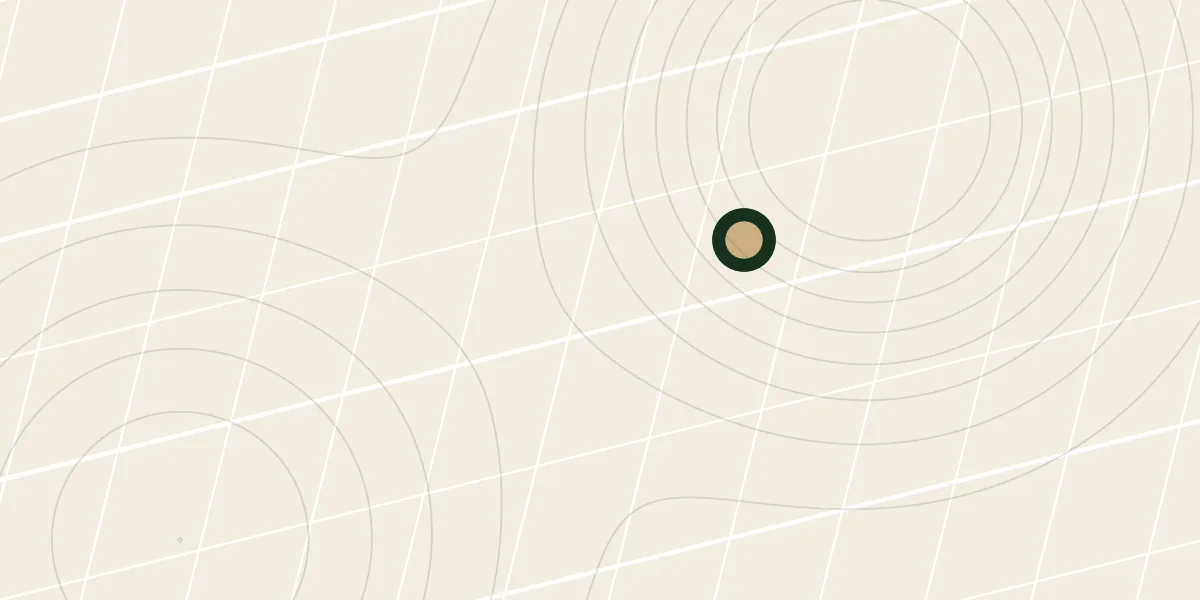
Kunszt WodnyTarg Rakowy 11, Gdańsk, 80-806, Poland
Questions
When and where is REAL CORP 2027?
From Monday 5 to Wednesday 7 April 2027 at Kunszt Wodny, Targ Rakowy 11, Gdańsk, Poland, with an informal welcome on Sunday 4 April. Gdańsk keeps Central European Summer Time in April, the same clock as South Africa.
When does the call for papers close?
Abstracts are due by 15 November 2026 at 23:59 CET, which is 00:59 on 16 November in South Africa. Submit through MY.CORP only, on the organiser's template, as one A4 page in English or German.
Which submission route suits a practitioner?
Practice and project reports fit the non-reviewed route, which takes a paper of up to six pages. Officials from cities and other public bodies can present under Voices of Practice without a paper. The reviewed route, up to 12 pages with double-blind review, suits authors who need a peer-reviewed publication. Every accepted paper is published with a DOI.
How much does it cost to attend?
EUR 525, or EUR 325 for students up to 27, when registration and payment are both complete by 31 December 2026. From 1 January 2027 the fees are EUR 650 and EUR 425. The fee covers all conference days, catering, most side events, the proceedings and one presentation.
Do South African passport holders need a visa?
Yes. Poland is in the Schengen Area, and South African passport holders need a Schengen visa. The organiser issues an invitation letter only after you have registered on MY.CORP with your full address and paid the fee, so register early enough to leave time for the visa. Check current requirements at gov.pl/web/diplomacy/visas.
In which languages are the sessions held?
English and German. Sessions in each language are held separately, and there is no interpretation.
Changes to this listing
- Listed.
Listed from the organiser’s own page. Each change to this listing is dated above. Seen something wrong? Report a change.